Textured Wall Art for Modern Home Décor
I can clearly remember walking into my friend’s freshly styled apartment last spring. The space immediately felt brighter and more cozy. My eyes were instantly drawn to a dramatic piece hanging over her sofa.
This wasn’t just a standard flat painting. Its depth was noticeable even at a distance. Heavy brushstrokes created shadows that shifted as the light changed. As I examined the Bedroom Wall art more carefully, the layered paint opened up like miniature landscapes.
This single encounter transformed my view of interior decorating. Art ought to invite interaction instead of being something you only glance at. Texture adds depth, turning plain walls into conversation-starting focal points.
I’m eager to share how these dimensional pieces can enhance your space. Whether the style is abstract or nature-inspired, textured wall art brings personality and energy to any room. Let’s explore how to make your walls genuinely engaging.
What Exactly Is Textured Wall Art?
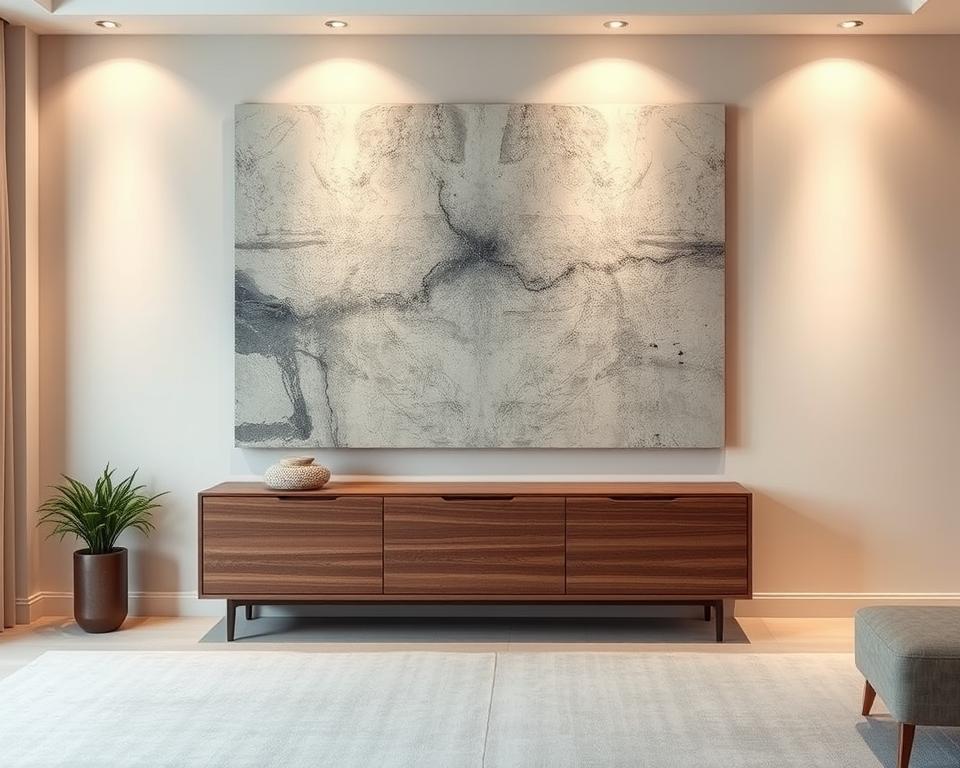
When I think about wall art that genuinely transforms a room, I quickly move past conventional flat paintings. It’s a real upgrade in the world of home decor. It’s more than decoration; it feels built into the very structure of your wall.
Moving Beyond the Flat Canvas
Traditional paintings offer stunning visuals, but they lack a tangible presence. Textured pieces, on the other hand, defy this two-dimensional constraint. They extend outward from the wall, creating shadows and adding depth that changes with the light.
One standout piece I found is the 3D White Layered Flower Textured Abstract Wall Art. Crafted from acrylics on robust canvas, it builds up delicate floral forms that extend towards the viewer. The layered construction imbues a depth that flat art cannot match.
Texture as a Primary Design Element
The defining feature of textured wall art is the way texture becomes the main focus. It’s not merely an embellishment; it’s the focal point. The tactile quality significantly enhances the artwork’s impact and emotional resonance.
Handcrafted wall art truly shines here. Creators experiment with many methods to shape surfaces that beg to be explored. Mixed media wall art especially blends materials like:
- Dense acrylic paints laid on with palette knives
- Dimensional pastes and modeling compounds
- Added natural materials like sand, fibers, or similar elements
- Layered papers or fabrics
Each piece emerges as a distinct creation that engages multiple senses. The different surfaces reflect light in their own ways, and the patterns shift as you move. That dynamic nature gives textured art a feeling of life within your home.
I find it fascinating how these pieces narrate stories through their physicality. You can see the artist’s hand in each tiny detail. It’s not merely viewing art; it’s experiencing the artist’s journey firsthand.
What Makes Textured Wall Art Perfect for Modern Homes
I’ve observed a significant shift in home decor trends. It has moved from being a basic accent to becoming the heart of modern rooms. These Textured Wall Art artworks go beyond wall decor, transforming the mood of the space.
How Textured Art Adds Depth to Your Space
Flat art can be beautiful, but textured pieces are genuinely captivating. A Large Textured Portrait in Black and Orange turned my living room into a new space. Its ridges and raised areas play with the light, creating shadows that shift throughout the day.
Textured art offers several benefits:
- Creates illusion of expanded space
- Introduces a sense of movement as light hits the surface
- Looks engaging no matter where you stand
- Blends smoothly with many different decor styles
For me, an Oversized Handcrafted Coastal Wall Art turned into the star of the room. Guests often remark on how it alters the room’s ambiance throughout the day.
The Tactile Experience of Art
Textured art truly excels in this aspect. Unlike flat art, you can feel the artist’s touch. That physical interaction reveals the story of the artwork and deepens your engagement.
I love seeing how people respond to my 3D wall decor. Their eyes brighten as they trace the artwork’s raised details. This tactile connection helps the art feel more personal and vibrant.
The rise in popularity of abstract home decor reflects our desire for more. We look for art that touches multiple senses and builds a stronger bond with our homes.
Discovering Modern Abstract Painting
Modern abstract painting fascinates me because it can express meaning without showing clear, recognizable objects. These Big Abstract Wall Art artworks engage through color, form, and movement, transcending traditional visual narratives.
There’s a kind of dialogue that happens between abstract art and whoever is looking at it. Each individual’s perception of a piece can vary greatly. This openness to many viewpoints is what makes abstract art so magical—it’s intimate and flexible in meaning.
The Emotion and Energy Behind Abstract Shapes
The most impactful abstract paintings exude a palpable emotional resonance. I’ve stood before pieces where the colors seem to leap and dance with excitement. Other paintings communicate deep reflection using dark, weighty brushstrokes.
By adjusting color and layout, artists provoke specific emotional responses. A strong red can suggest passion or intensity, while gentle blues bring a sense of calm. The arrangement of shapes imbues the artwork with dynamic movement and energy.
There was one artwork that struck me as a visual explosion, much like a sudden musical crescendo. The colors blended harmoniously, evoking a visual symphony. Despite lacking any clear subject, it still carried an abundance of emotion.
The Way Texture Improves Abstract Home Decor
Texture greatly boosts the overall effect of abstract art. It adds a tactile dimension that invites closer inspection and appreciation of the artist’s skill.
The way textured surfaces interact with light is mesmerizing. Morning light can emphasize specific ridges, while evening light uncovers different details. Because of this dynamic interplay, the artwork stays interesting and always feels a bit different.
Large textured abstract pieces demand attention wherever they hang. The combination of size and texture gives them a presence that flat canvases can’t reproduce. They become focal points that add elegance and depth to the room.
Bringing textured abstract art into my own rooms has deeply changed how I experience them. They go beyond decoration, engaging with light, surroundings, and viewers, and creating a living, interactive presence.
Techniques Behind the Texture: The Artist’s Touch
Ever stood before a textured piece and wondered how it came to life? The answer is found in the particular methods artists use. These approaches turn simple materials into striking, dimensional artworks. Let me walk you through some of the fascinating methods artists use to shape these tactile masterpieces.
Palette Knife Painting and Its Dynamic Results
Some of the most dramatic textures come from palette knife painting. In this technique, artists use metal blades rather than brushes, layering on thick paint. This technique creates bold, impasto effects that catch light beautifully.
Palette knives make it possible to create sweeping movements and defined edges that brushes struggle to produce. Every stroke preserves a record of the artist’s movement and energy. I enjoy watching how these artworks seem to transform as light dances over their textured surfaces.
Creating Depth with Mixed Media Wall Art
Mixed media wall art pushes texture further by blending different materials. Artists often stack acrylic paint alongside metallics, fabrics, or natural elements. This approach creates incredible depth and visual interest.
The potential combinations feel endless—I’ve seen artworks that use gold leaf, textured papers, and dimensional pastes. Each material brings its own unique quality to the artwork. The result is a rich, complex surface that invites closer inspection.
The Special Value of Handcrafted Wall Art
Handcrafted wall art carries a special energy that mass-produced pieces can’t match. When a creator pours passion into one-of-a-kind work, that connection is almost tangible. Each piece becomes a one-of-a-kind expression of creativity.
I love knowing that no two handcrafted pieces are ever identical. The slight variations and human touches make each piece special. This authenticity creates a deeper connection between the artwork and the space it inhabits.
All of these methods show that art goes beyond appearance and becomes an experience. The textured surface narrates the creation process in a way that flat art never could.
Choosing the Perfect Scale: The Impact of Large Canvas Art
Choosing the correct size for your textured wall art can completely change how a room feels. The scale of each piece sends different emotional signals and serves different roles in your home.
Making a Bold Statement with Big Canvas Art
Very large pieces immediately add a sense of drama and character to any space. A huge textured canvas often defines the room’s personality, expressing confidence and artistic intent.
My favorite piece of large canvas art at home spans almost five feet. Its striking black and white swirls demand focus the instant you walk into the room. This type of big canvas art doesn’t simply dress the wall—it defines the whole space.
Big Abstract Wall Art as a Room’s Centerpiece
Selecting a sizeable piece of big abstract wall art gives your decor a strong anchor. Its textured surfaces catch light in new ways all day long, constantly shifting the room’s mood.
I’ve discovered that hanging a major piece above the sofa or fireplace brings natural balance to the room. It draws the eye and establishes a color palette that other elements can complement. The textured, raised surfaces add depth far beyond what flat pieces can deliver.
Using Smaller Textured Pieces for Subtle Touches
You don’t need a large statement piece on every single wall. Smaller textured artworks work beautifully in creating intimate moments throughout your home.
I like to place smaller pieces in these areas:
- Hallways and entryways with limited space
- Mixed gallery walls featuring a variety of textures
- Bedrooms where subtlety creates calm
- Bathrooms where small artworks add charm to practical spaces
Smaller works help continue the textured story across the house while keeping each room balanced. They bring a sense of completeness and interest to spots that might seem empty.
The magic happens when you balance both scales throughout your living space. Large pieces make the big statements, while smaller works add those finishing touches that make a house feel like home.
Finding the Right Spot: Placement for Maximum Impact
Deciding where to hang your textured art is key to its impact. From experience, I’ve learned that the right location can turn a simple piece into a game-changer. Placement really is everything.
Making a Focal Point with Living Room Wall Art
A living room feels more complete with a key piece that instantly draws the eye. I find that placing large textured art above the sofa or fireplace mantel works wonders. These locations give the artwork space to shine and take on the role of focal point.
Consider how the artwork will be seen from various seating positions. A great piece will be visible from multiple seats around the room. The right living room wall art can spark conversations and set the mood for your home.
Designing a Serene Retreat with Bedroom Wall Art
Bedrooms require a different vibe – art should calm, not excite. I recommend placing soothing pieces across from the bed or above the headboard. This arrangement provides a calming sight to wake up and fall asleep to.
Soft textures paired with subtle colors tend to be ideal for bedroom spaces. The perfect bedroom wall art should be as calming as a lullaby, promoting relaxation and introspection.
Using 3D Wall Decor in Unexpected Areas
Remember those transitional areas that often go unnoticed. Hallways, entryways, and home offices often benefit from 3D art. They frequently feature lighting conditions that highlight textures in exciting ways.
3d wall decor shines in narrow hallways, where traditional art might seem flat. Shadows and depth working together add a sense of life to these spaces. Offices also get a boost from textured pieces, adding inspiration.
Lighting is absolutely vital in these areas. Sunlight can emphasize textures by day, and artificial lighting can showcase them at night.
Modern Wall Sculptures: The Ultimate Three-Dimensional Statement
I think of modern wall sculptures as the ultimate form of 3D wall art. They transform plain walls into dynamic focal points that attract attention and inspire conversation. Unlike flat canvases, these sculptures interact with the room around them, creating a dialogue that enriches the space.
When Wall Sculptures Blur Art and Object
The appeal of these sculptures comes from their ability to act as both art and architectural detail. You’ll frequently find that they include components such as:
- Organic materials that help bring the outdoors inside
- Shiny metallic accents that immediately draw attention
- Structured geometric patterns that suit contemporary furnishings
- Textured surfaces that encourage touch
These works go beyond simple decor, turning into conversation starters that help define the essence of the room.
How Sculptures Play with Light and Shadow
The way these sculptures transform over the course of a day is mesmerizing. Morning light accentuates textures differently than afternoon sun, creating a constantly evolving display. From my experience, three main effects really stand out:
- Dramatic shadows that shift with the sun’s movement
- Highlighted textures that seem to dance across the surface
- Reflective elements that bounce light around the room
This dynamic quality ensures your artwork is always fresh, providing continuous visual intrigue. The interplay of light and shadow increases the sense of depth, making each sculpture feel alive and reactive to the room.
By choosing modern wall sculptures, you embrace art that evolves with your space. Every time you come into the room, there’s something new to notice and enjoy.
The Magic of Custom Textured Artwork
Owning artwork created just for you is truly special. Even though there are many beautiful pieces available, custom textured artwork makes your walls uniquely yours. You become part of the creative journey, rather than simply selecting from finished options.
How to Commission a Custom Textured Piece
Starting with an artist to create custom textured artwork involves a conversation. You share your vision, color preferences, and the feeling you desire. From there, the artist turns your thoughts into a finished artwork that suits your room perfectly.
This approach ensures the artwork suits your decor and reflects your personal style. Whether your goal is to echo your room’s palette or create a certain emotion, the result becomes a treasured possession. They stand out from mass-produced art, which can’t offer the same personal touch.
Collaborating with Artists for Personal Expression
The real magic happens in the collaboration between client and artist. You’re not simply buying art—you’re co-creating it. This partnership makes room for adjustments and refinements so the final piece really speaks to you.
Many artists enjoy this creative back-and-forth, adding fresh perspectives to their art. Your insights influence their choices, whether it’s using a palette knife or blending mixed media elements. The result is artwork that reflects both the artist’s skill and your personal story, making it more meaningful than any store-bought piece.
This collaborative process turns art into a part of your home’s identity. The texture, colors, and composition all reflect your journey. Every time you look at your wall, you’re reminded of the creative partnership that brought that beauty into your life.
Exploring Unique and Culturally Inspired Wall Hangings
Exploring textured art has led me to remarkable works sourced from many cultures. These items are more than mere decorations; they are narratives ready to adorn your walls. The quest for unique artwork transforms a mere house into a sanctuary that mirrors your essence.
Global Influences in Textured Art
Diverse cultures introduce remarkable textures to the realm of wall art. African mud cloth patterns, for instance, captivate with their rich, earthy tones. Asian influences often appear as fragile paper surfaces and the radiant shine of gold leaf.
The philosophy of Japanese Wabi Sabi has profoundly shaped my aesthetic preferences. This art form reveres the beauty of imperfection and the rawness of natural materials. Through understated textures and natural shapes, Wabi Sabi wall art shares deep ideas with gentle subtlety.
Mediterranean works often use sea glass and textured ceramics, whereas Scandinavian pieces lean on minimal shapes with touches of woven texture. Each of these cultural influences adds a unique flavor to your walls.
One-of-a-Kind Wall Hangings for a Personal Home
Bringing in one-of-a-kind wall hangings fills your home with unmistakable character. I personally seek pieces that stand on their own, each carrying its own story. Handmade items from local artists often become conversation pieces that enrich your decor.
Market finds from my travels add a layer of personal history to my decor. Textured Moroccan tapestries tell stories through intricate patterns, while hand-embroidered works from Mexico bring in vibrant energy. These discoveries turn my home into a reflection of my journeys and personal tastes.
Blending these unique discoveries with contemporary pieces creates a pleasing balance. The resulting blend gives your walls depth and character, making them feel like a personal gallery.
Creating a Cohesive Style with Contemporary Art
Introducing textured wall art into your home is only the first step. The real magic happens when you weave these pieces into your existing decor to create a harmonious environment. I’ve discovered that achieving a unified look depends on how textures and colors relate to each other throughout the room.
Mixing Textures with Other Decor Elements
Texture acts like a conversation point between the artwork and the rest of the room. Personally, I love matching dimensional pieces with textiles and other materials that echo their feel. A heavily textured canvas might sit beautifully against smooth leather furniture or soft velvet pillows.
Consider these combinations for balance:
- Rough impasto paintings combined with smooth metal accents
- Textured woven hangings with warm wooden elements
- 3D wall sculptures alongside plush area rugs
- Mixed media pieces with glass or ceramic decor items
The goal isn’t to match every texture but to build thoughtful contrasts. When textures complement one another, your whole space feels carefully designed.
Picking Color Palettes that Complement Your Art
Color harmony transforms individual pieces into a cohesive collection. My approach is to identify the dominant colors in the room, then pick art that either supports or strategically contrasts those hues.
In neutral rooms, I tend to pick textured pieces with gentle color shifts that add depth yet don’t overpower. In more colorful rooms, bold abstract pieces can boost the energy and unify the palette.
My own strategy is to weave a continuous color story across the room. I’ll often take one accent color from the artwork and echo it in smaller decor items around the room. Doing this creates visual links that make every contemporary piece feel naturally integrated.
It’s important to remember that texture affects how colors appear. The same pigment appears differently on a smooth surface versus a heavily textured one. Be sure to evaluate your choices in the space’s real lighting conditions before committing.
Looking After Your Textured Wall Art
Maintenance matters just as much as selecting the artwork. Caring for your textured wall art ensures it stays beautiful for years. Simple practices have kept my collection looking vibrant.
Dusting and Cleaning Delicate Textured Surfaces
Textured surfaces need gentle care. I use a soft feather duster for regular upkeep. This approach prevents damage and keeps the delicate textures safe.
For deeper cleaning, I follow these steps:
- Take a soft, dry brush and lightly free up any trapped dust
- Lightly wipe using a clean microfiber cloth
- Never use liquid cleaners or water
- Work in the direction of the texture patterns
This method keeps the artwork intact while removing dust.
Ensuring Long-Term Preservation of Your Investment
Protecting your art from environmental factors is key. I keep pieces away from direct sun to prevent fading and material weakening.
Climate control matters just as much. I try to ensure that humidity in my house stays relatively consistent. Extreme moisture or dryness can cause damage.
Here’s my preservation checklist:
- Avoid placing art near heating vents or directly by windows
- Maintain a stable, comfortable room temperature
- Rotate pieces seasonally to equalize exposure
- Check mounting hardware annually
Following these steps has kept my textured artworks in excellent condition. Good maintenance preserves both the visual appeal and long-term value of your art.
Why My Home Will Always Have a Textured Piece
Textured wall art is a permanent fixture in my home. It adds depth and a unique vibe to every room. I find it transforms ordinary walls into something extraordinary.
A custom palette knife piece adds lively energy to my living room. It serves as more than decoration—it’s a personal statement. Handcrafted wall art shares a story that makes my space feel truly mine.
Textured modern abstract paintings respond beautifully to light. They shift as the day passes, keeping my space vibrant and alive.
Large canvas art makes a bold statement. It pulls your gaze and becomes the central focal point. Even smaller textured pieces add a subtle charm.
The tactile experience of 3D wall decor is something I really enjoy. It naturally encourages touch and exploration. This interaction makes the art feel more real and engaging.
Textured artworks mirror my personal taste and character. They help turn a simple house into a true home. I encourage you to explore textured art for your own space.
Look for a piece that really speaks to you. Let it bring depth and feeling to your walls. Your home deserves that unique, handcrafted touch.
Textured Wall Art FAQ
Q: What exactly is textured wall art, and how does it differ from flat art?
A: Textured wall art moves beyond a flat canvas through the use of three-dimensional elements. In contrast to traditional flat art, texture becomes a primary design feature. Think of 3D layered flower art or handcrafted mixed media works. They offer both visual and tactile appeal, adding depth and helping your space feel more dynamic and engaging.
Q: How does textured wall art change the atmosphere of a room?
A: Textured art introduces depth and dimension, often making rooms feel more spacious and dynamic. From large abstract paintings to handcrafted coastal works, the raised ridges and peaks invite touch and boost visual interest. In my own home, such pieces spark conversations and bring the room to life, fitting seamlessly with modern abstract home decor and 3D wall decor styles.
Q: How do artists typically create textured effects in wall art?
A: Many artists use palette knife painting, applying thick, bold layers of paint to achieve impasto texture. Mixed media approaches combine materials like acrylics, metallics, or textiles for added complexity. I love handcrafted wall art because each piece carries the artist’s personal touch, making it unique and full of authenticity.
Q: What should I consider when choosing the size of textured art for my space?
A: If you want a bold statement, choose large canvas art or big abstract wall art that can dominate the room and act as a centerpiece. In my own home, one oversized artwork firmly anchors the entire room. Smaller pieces—such as a pair of minimalist canvases—work nicely as accents in cozy nooks or gallery walls where you want detail without overwhelming the area.
Q: Where should I place textured wall art in my home?
A: In living rooms, place large neutral abstract art above sofas or mantels so it becomes a focal point. For the bedroom, choose calming pieces like tranquil textured artwork to promote serenity. Don’t forget unique spots—hallways or offices are great for 3D wall decor, where light can play off the textures and enhance their impact throughout the day.
Q: How do modern wall sculptures function within home decor?
A: Modern wall sculptures blur the distinction between decorative object and fine art, acting as functional decor that engages your space. They work wonderfully with changing light and shadow, producing dynamic, shifting effects over time. I love the way these contemporary art pieces add evolving visual interest while making a strong style statement.
Q: Is it possible to commission my own custom textured artwork?
A: Definitely! Commissioning custom textured art involves working directly with an artist to develop a one-of-a-kind piece. Everything from the color palette to the theme can be tailored, ensuring a perfect fit for your home and taste. From what I’ve seen, custom art tends to hold extra meaning and helps your home feel more expressive and personal.
Q: How do I care for and maintain my textured wall art?
A: Start by gently dusting with a soft tool, such as a feather duster, so you don’t damage the textures. For long-term preservation, keep art out of direct sunlight and away from humidity to maintain vibrancy and structure. I’ve found that consistent, gentle care keeps my collection looking pristine and protects both its beauty and investment value.
Q: How can I mix textured art with my existing decor?
A: Mix textures by pairing your art with complementary textiles, furniture, and other decor elements for a harmonious look. When choosing color palettes, look for art that either complements your current scheme, such as a neutral textured floral canvas for soft rooms, or provides a vibrant abstract for bolder spaces. Personally, I love curating a balanced look where all elements work together smoothly.
Q: Where should I look for unique or culturally inspired textured wall art?
A: Search for pieces that show global influences—such as Wabi Sabi art that embraces imperfection—or handcrafted items tied to particular regions. These one-of-a-kind discoveries inject character and storytelling into your home. I enjoy hunting for unique wall hangings that bring global flair and make my space distinctly personal.